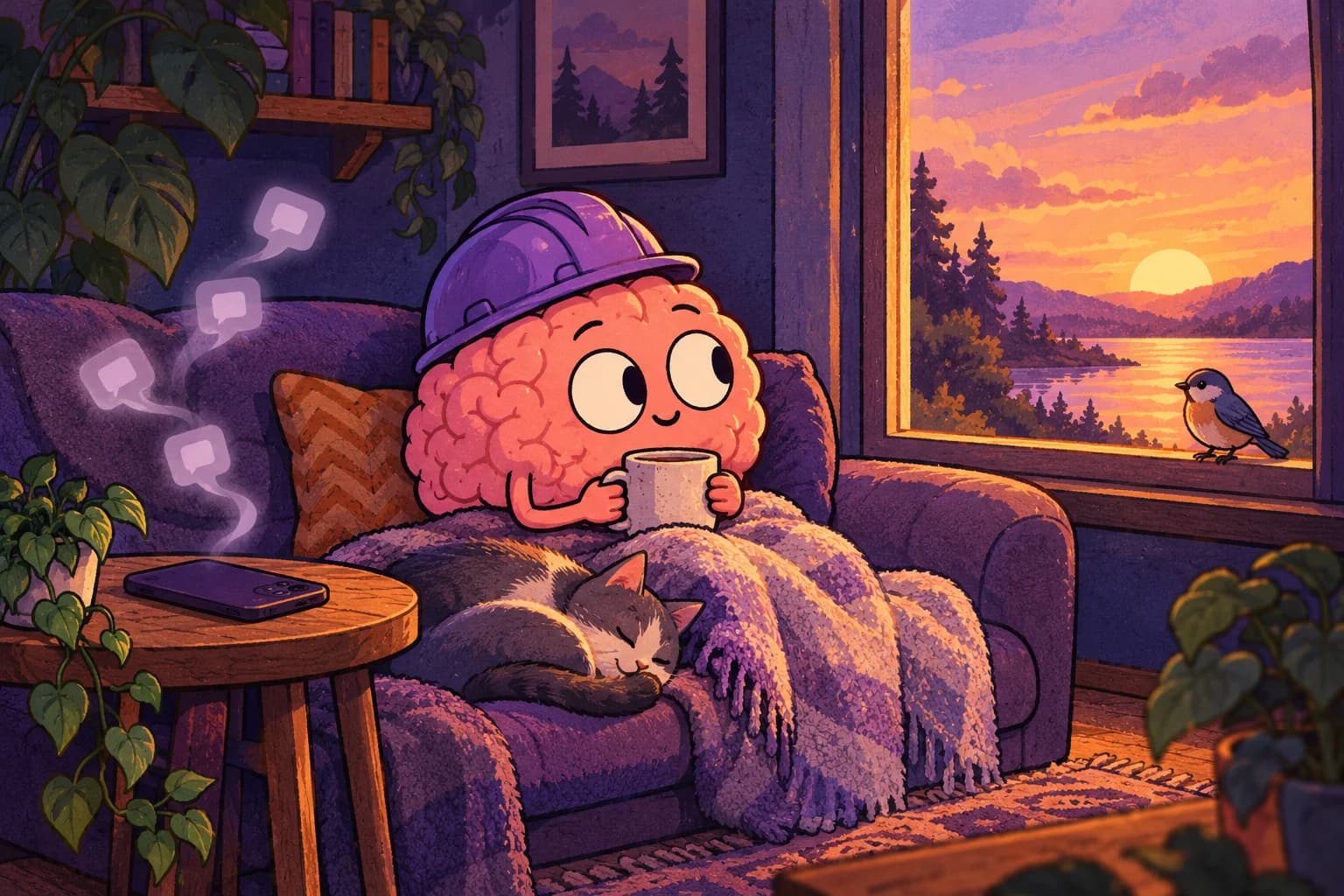
Cut back on scrolling for a week and a specific anxiety tends to show up that nobody warns you about: what if something happened and you missed it. A friend's news, a meme everyone's referencing, something in the world you'd normally have caught in real time. This is a real feeling, not a silly one, and it's worth a real answer instead of just "get over it."
FOMO is a real cost, not a made-up one
Constant connectivity did genuinely train a habit of near-real-time awareness, and stepping back from that has a real, if usually small, cost: you will occasionally miss something in the moment that you'd have caught scrolling live. Pretending this cost doesn't exist isn't honest, and it's also not necessary — the cost is usually much smaller than the anxiety about it suggests.
Almost everything that matters finds you anyway
The specific things that would actually matter to you — a friend's major news, something that affects you directly, a genuinely important update — tend to reach you through other channels regardless: a text, a call, someone mentioning it in person. What you mostly miss by scrolling less is the low-stakes stuff: a meme a day late, a take you didn't see in real time, a minor news cycle you catch the recap of instead of living through live. That's a much smaller loss than the anxiety implies.
Delayed isn't the same as missed
A lot of what feels like "missing out" is actually just "finding out later." You'll almost certainly still hear about the big thing — just at 6pm instead of 2pm, from a friend instead of a feed. Reframing this as delay rather than loss takes a lot of the sting out of it, because delay is genuinely a much smaller cost than it feels like in the anxious moment.
Notice how often the anxiety is wrong
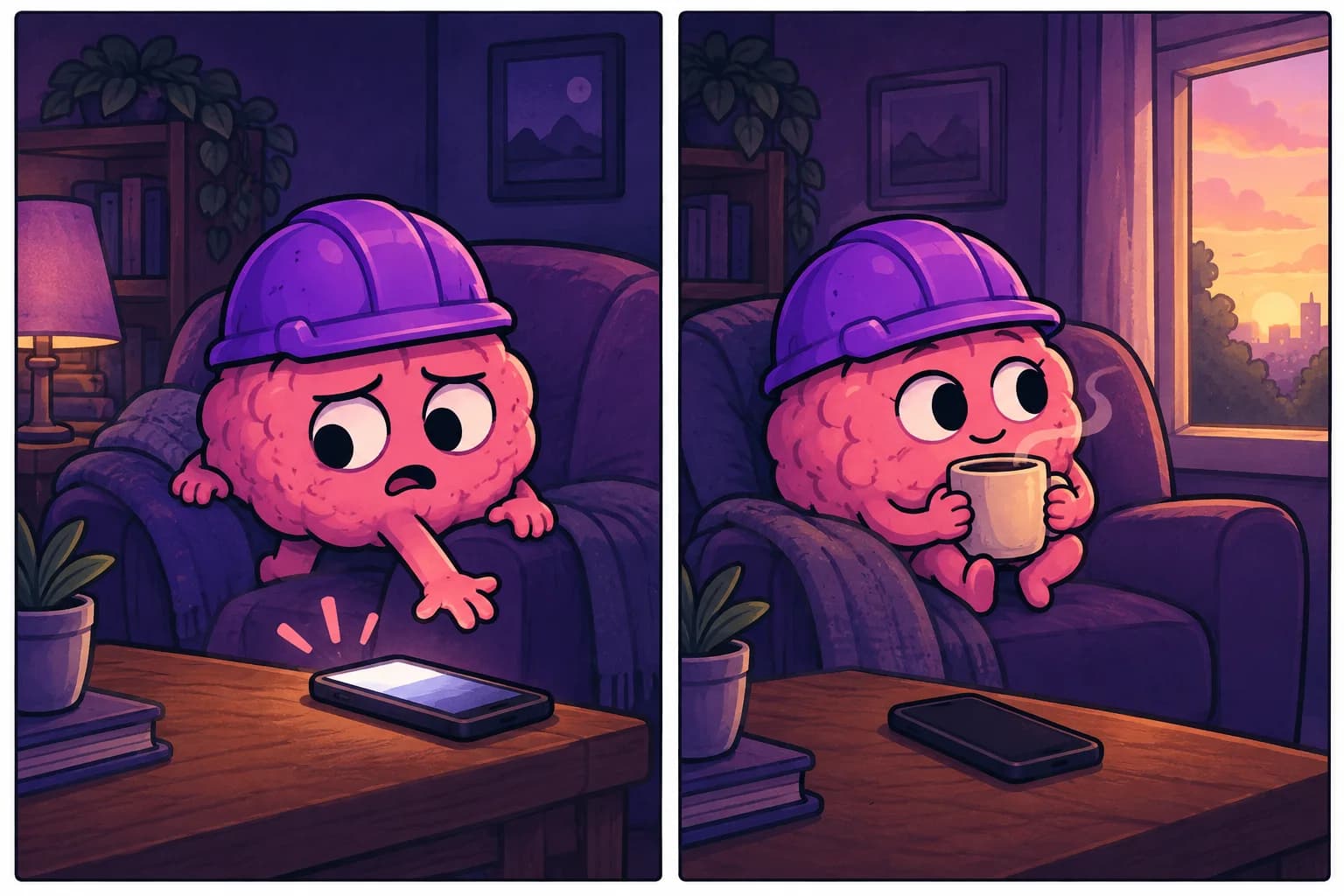
A useful, slightly uncomfortable exercise: the next few times you feel the "what if I'm missing something" pull, note it, and then check later whether you actually missed anything that mattered. Most people find the anxiety fires far more often than there was ever anything worth catching — which doesn't make the feeling less real, but does make it easier to recognize as a false alarm most of the time it shows up.
Pick your real information sources on purpose
If there are specific things you genuinely don't want to miss — a friend group's plans, industry news, something time-sensitive — set those up deliberately (a notification from the specific person, a weekly digest, a direct message) rather than relying on constant scrolling to catch everything by accident. This covers the real risk without needing the feed running in the background of your whole day.
The trade is usually worth it
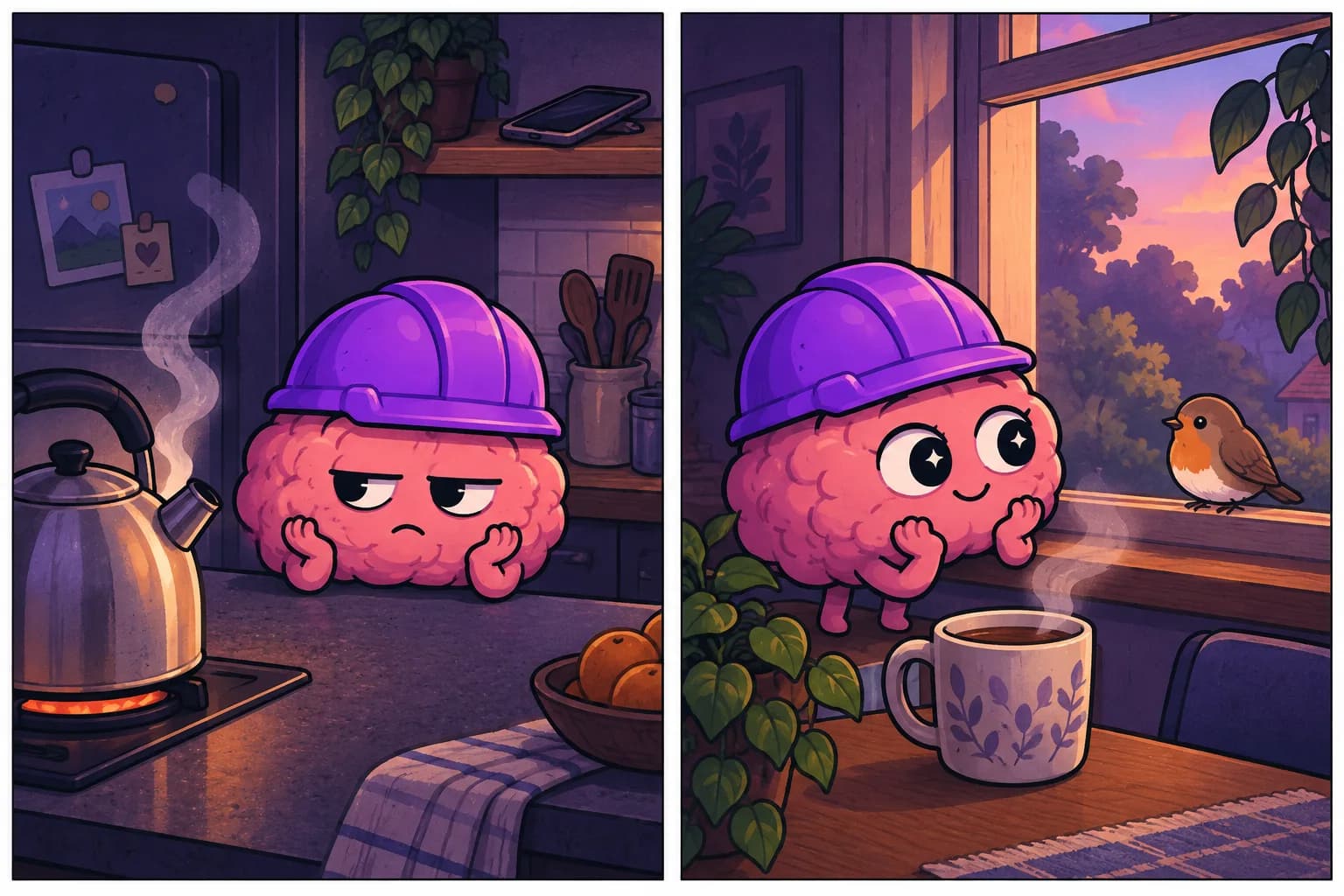
Less real-time awareness of low-stakes content, in exchange for more attention available for the actual moment you're in — most people who make this trade, once the initial FOMO settles, find they don't miss what they thought they would. The anxiety front-loads; the actual loss rarely matches it.